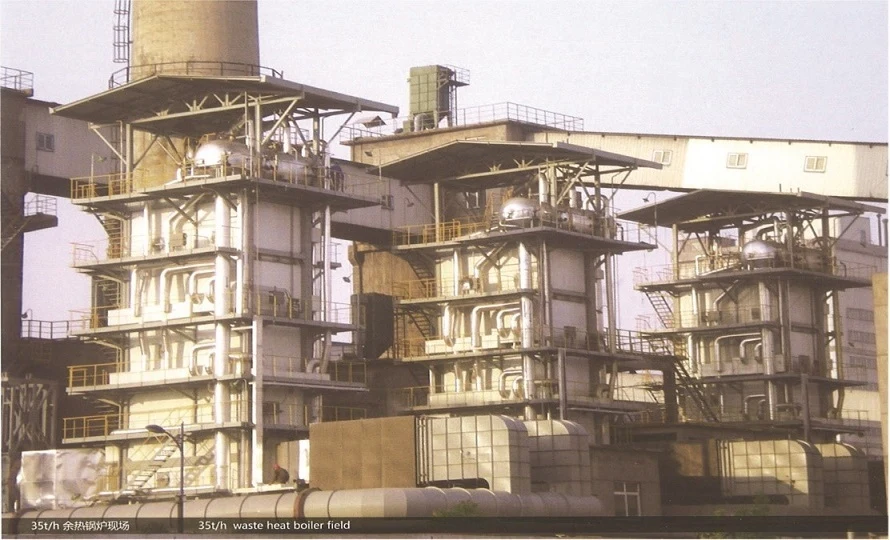
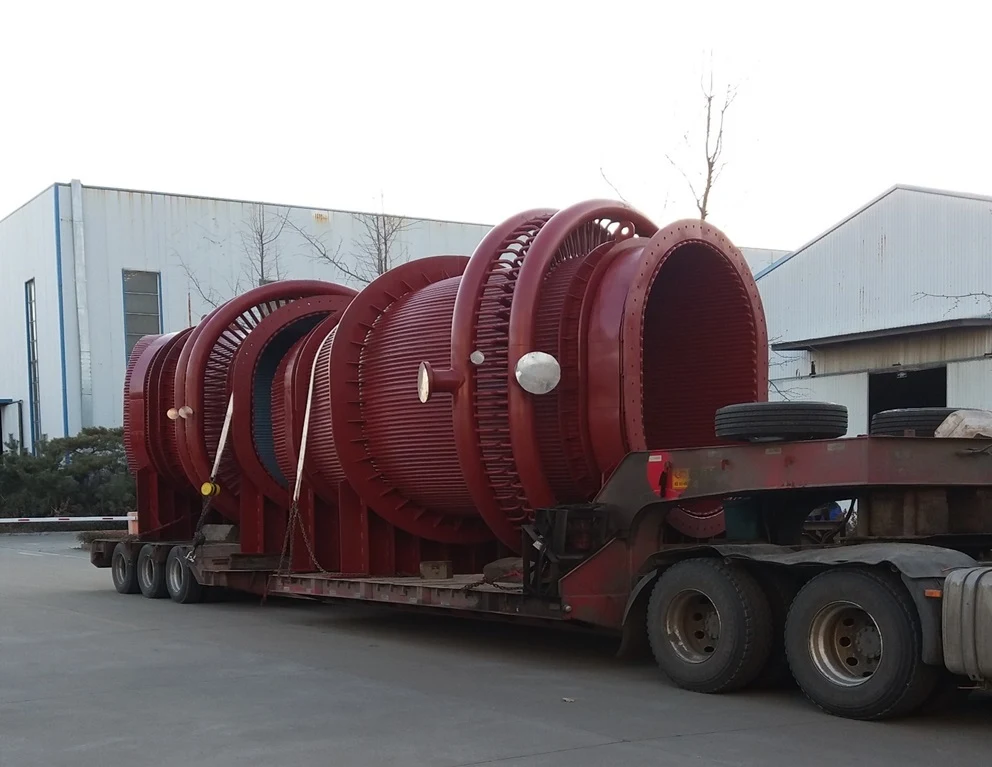
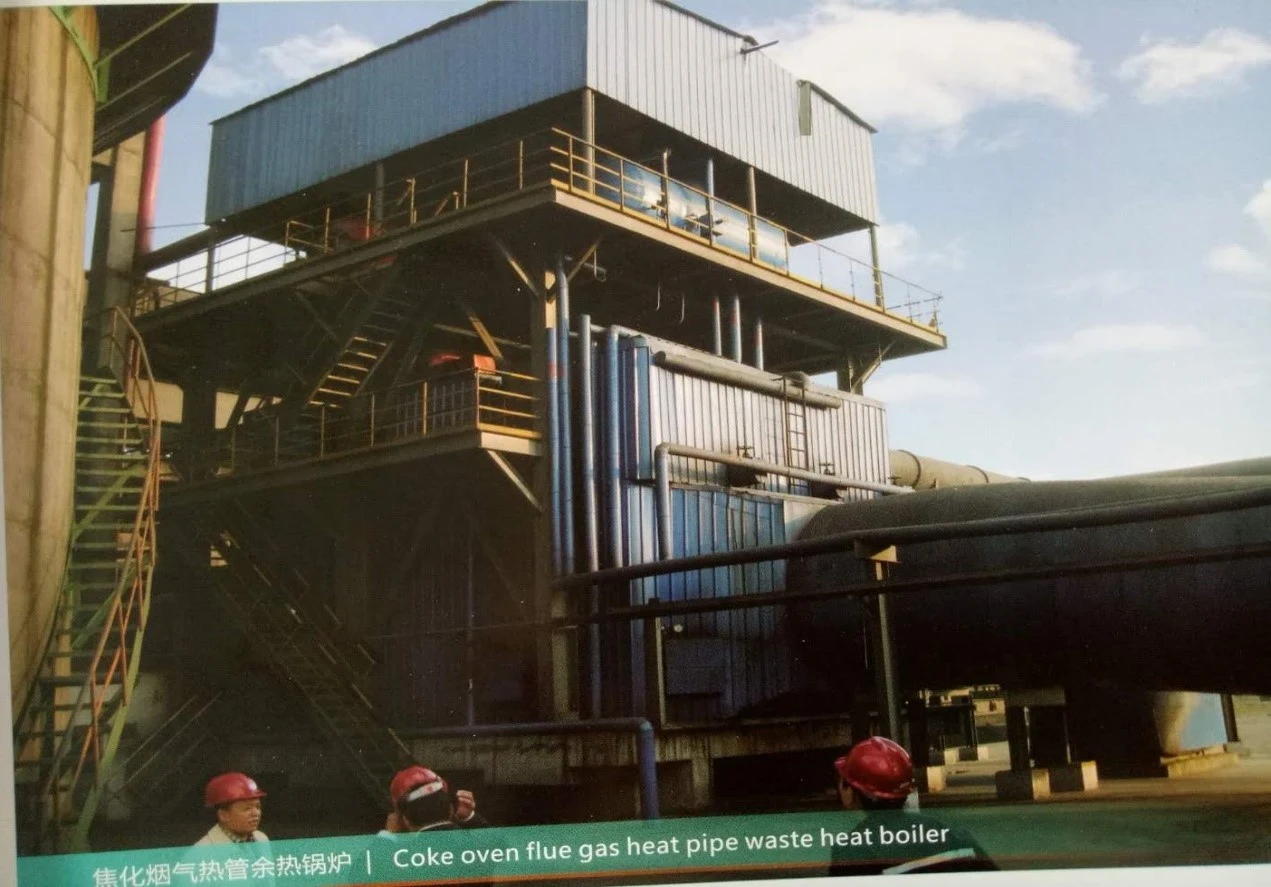
A waste heat boiler is a boiler that utilizes the sensible heat in the exhaust gases, waste materials, or waste liquids from various industrial processes....
A waste heat boiler is a boiler that utilizes the sensible heat in the exhaust gases, waste materials, or waste liquids from various industrial processes, or the heat generated by the combustion of their combustible substances. Or in a combined cycle unit fueled by fuel oil (or gas), it utilizes the heat from the high-temperature flue gas discharged from the gas turbine.
Our company has been engaged in waste heat recovery and utilization for over twenty years. The Q series products are the main focus, widely applied in industries such as chemical engineering, sulfuric acid, petroleum, coking, cement, metallurgy, glass, carbon black, and industrial hazardous waste treatment, with technology at the advanced level in China. This article provides a brief introduction to the Q series waste heat recovery system developed by our company.
I. Technical Characteristics of the Q Series Waste Heat Recovery System
1. According to different process requirements, it can be arranged in a vertical or horizontal manner. The flue gas makes a lateral scrubbing on the heating surface, ensuring a complete and uniform heating.
2. The flue gas has few turns in the flue duct, with low flow resistance, reducing the induced draft power and ensuring the normal operation of the boiler.
3. The boiler structure is compact, with good sealing, no environmental pollution, and convenient and reliable operation, ensuring full recovery of waste heat.
4. It can be customized according to different user needs, fully meeting the requirements.
II. Classification of Waste Heat Boilers
Waste heat boilers can be classified in different ways. Our company's waste heat boilers are mainly classified according to the nature of the waste heat:
1. High-temperature flue gas waste heat: This is the most common form. It is characterized by large output, concentrated production points, strong continuity, and is easy to recover and utilize. It takes up 40-50% of the total heat and can be used for production or domestic heating and power generation.
2. High-temperature slag waste heat: Such as blast furnace slag, converter slag, electric furnace slag, etc. The slag temperature is above 1000°C, and it takes up 20% of the total heat.
3. High-temperature product waste heat: Such as coke from coke ovens, steel ingots and billets, high-temperature forgings, etc. It generally has a very high temperature and contains a lot of waste heat.
4. Combustible exhaust gas, waste liquid waste heat: Such as blast furnace gas, catalytic cracking regeneration exhaust gas from refineries, black liquor from paper mills, etc. They can all be utilized.
5. Chemical reaction waste heat: Such as industrial departments like metallurgy, sulfuric acid, phosphoric acid, fertilizers, chemical fibers, paints, etc., which all produce a large amount of chemical reaction waste heat.
6. Cooling medium waste heat: Such as the large amount of cooling water discharged from industrial furnaces and kilns, and the steam produced by various vaporizing cooling devices contains a lot of waste heat. They can all be utilized rationally.
7. Condensate waste heat: The physical sensible heat of the condensed water in the industrial process after use in various industrial processes.
Our company has successively developed main types of waste heat boilers for different industries: mixed combustion of three wastes and blow-off air waste heat boilers, cement kiln waste heat boilers, steel waste heat boilers, hazardous waste waste heat boilers, waste incineration boilers, sulfuric acid waste heat boilers, dry cooling coke waste heat boilers, carbonization kiln waste heat boilers, steelmaking waste heat boilers, etc. The evaporation capacity of the boilers covers 1t/h to 130t/h, and the products have been widely applied in industries such as petrochemicals, sulfuric acid, coking, cement, metallurgy, glass, carbon black, and industrial hazardous waste treatment.